The Psychology of Gambling
The act of gambling taps into various psychological triggers that appeal to human nature. The thrill of risk-taking serves as a primary motivator, as individuals experience a surge of adrenaline at the prospect of winning, which can lead to a euphoric “high.” This rush can create a desire for more, often leading people back to the gaming tables or slots, including bitcoin sports betting sites that offer unique experiences. Additionally, the unpredictability of outcomes keeps players engaged, leading to what psychologists refer to as “variable reinforcement,” which can make gambling particularly addictive.
Moreover, gambling often serves as an escape from daily stressors, providing a distraction or a temporary retreat from reality. This escapism can be particularly alluring in today’s fast-paced world, where individuals face numerous pressures. The casino environment itself, with its bright lights, sounds of clinking coins, and the atmosphere of excitement, enhances this experience, further drawing people in. As a result, some gamblers may find themselves using gambling as a means to cope with life’s challenges, which can sometimes lead to detrimental habits.
Social dynamics also play a significant role in why people gamble. For many, it is not just about winning money; it is about the experience and connection with others. Casinos often serve as social hubs where friends gather, and strangers bond over shared experiences. The camaraderie formed in these environments can create a sense of belonging that enhances the overall enjoyment of the activity. This social aspect can be a strong pull, keeping individuals returning, not just for the games but for the social interactions they provide.
The Cultural Influence of Gambling
Gambling has been a part of human culture for centuries, deeply embedded in various societies around the world. From ancient civilizations that used games of chance for entertainment to modern casinos providing elaborate gaming experiences, gambling reflects societal values and norms. In many cultures, it is associated with rites of passage or celebrations, making it a communal activity that strengthens social ties. This cultural significance adds layers to the act of gambling beyond mere financial stakes, as it often encompasses tradition and community spirit.
In some regions, gambling is woven into the fabric of the local economy. For instance, in places known for tourism, such as Las Vegas or Monte Carlo, casinos attract millions of visitors each year, making gambling a vital economic driver. This relationship between culture and economy creates a cycle where the popularity of gambling influences its acceptance in society, while community traditions help sustain the industry. The reverence or taboo surrounding gambling can vary significantly depending on cultural attitudes, impacting how individuals approach the activity.
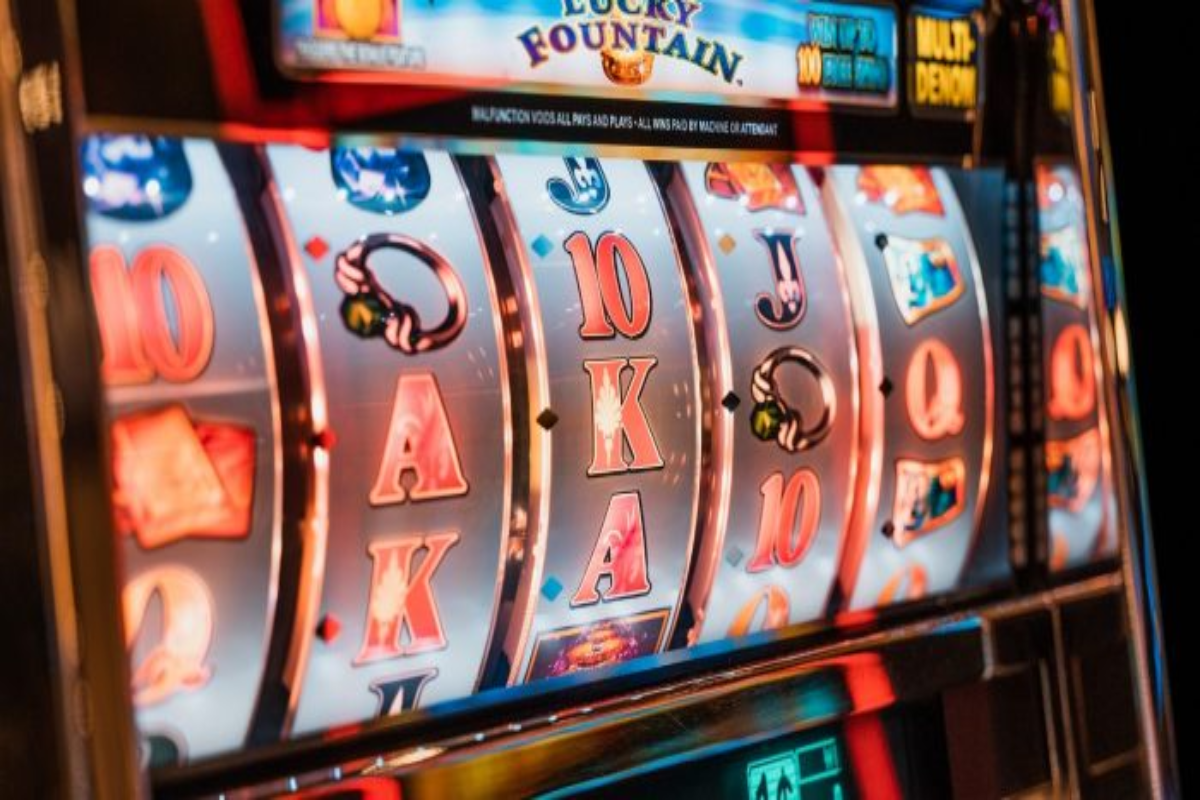
Moreover, films, television, and literature have romanticized gambling, portraying it as glamorous and thrilling. These portrayals can shape public perceptions and attitudes toward gambling, often glamorizing the lifestyle of high rollers while downplaying the risks involved. As a result, individuals may be more inclined to engage in gambling, influenced by the narratives they encounter in popular culture. This connection between gambling and entertainment perpetuates its appeal, creating an ongoing dialogue about its role in society.
The Role of Technology in Modern Gambling
The rise of technology has drastically transformed the gambling landscape, making it more accessible than ever. Online gambling platforms have proliferated, allowing individuals to engage in their favorite games from the comfort of their homes. This convenience has attracted a new generation of gamblers who prefer the flexibility of online gaming. Enhanced by mobile technology, players can now place bets anytime and anywhere, fundamentally changing how people approach gambling and increasing its prevalence in daily life.
Moreover, technology has introduced innovative gaming experiences that captivate players. Live dealer games, virtual reality casinos, and gamified betting options create immersive environments that replicate the excitement of traditional gambling venues. These advancements also appeal to younger audiences who are accustomed to engaging with technology for entertainment. The seamless integration of gaming with social media and interactive features enhances user engagement, further driving the growth of the online gambling sector.
However, the evolution of technology in gambling also raises concerns regarding responsible gaming. The ease of access to gambling platforms can lead to impulsive behavior and increased risk of addiction. Many online casinos are now implementing measures to promote responsible gambling, such as self-exclusion options and awareness campaigns. Nevertheless, the challenge remains in balancing the enjoyment of gambling with the potential for harm, particularly in an age where technology continues to evolve rapidly.
The Economic Impact of Gambling
The gambling industry contributes significantly to local and national economies, generating billions in revenue each year. This impact is particularly evident in regions where casinos are a major attraction, creating jobs and stimulating growth in surrounding businesses. From hospitality to entertainment, the interconnectedness of the gambling sector with other industries illustrates its crucial role in economic development. As such, many governments view gambling as a legitimate source of tax revenue, which can be allocated to public services and infrastructure.

The economic impact, however, comes with a set of challenges. While gambling can provide financial benefits, it also poses risks of addiction and social problems that can strain public resources. Issues such as gambling addiction can lead to increased healthcare costs and greater demand for social services. Policymakers often grapple with finding a balance between promoting the economic advantages of gambling while minimizing its negative consequences on individuals and communities.
Efforts to regulate the gambling industry are ongoing, with many jurisdictions implementing stricter guidelines and responsible gaming measures. These regulations aim to protect consumers and ensure that gambling remains a sustainable part of the economy. However, striking the right balance between economic interests and public welfare continues to be a complex challenge, requiring ongoing dialogue among stakeholders in the industry, government, and community organizations.
Exploring Responsible Gaming and Casino Culture
As the gambling landscape continues to evolve, the focus on responsible gaming becomes increasingly important. Responsible gaming initiatives aim to educate players about the risks associated with gambling and promote healthier behaviors. Casinos are increasingly adopting practices that include providing information on responsible gambling, offering self-exclusion options, and training staff to recognize signs of problematic gambling. By prioritizing these initiatives, the industry seeks to foster a safer environment for all players and mitigate potential harm.
The cultural narrative surrounding gambling is gradually shifting as discussions about responsible gaming gain traction. There’s a growing acknowledgment of the need for accountability and support within the gambling community. Many casinos are partnering with organizations dedicated to gambling addiction prevention, creating resources for individuals who may be struggling. This collaborative approach fosters a culture that encourages players to seek help and promotes safer gambling practices, notably enhancing public perception of the gambling industry.
In this evolving landscape, websites that focus on gambling education and support play a crucial role. They provide vital information on responsible gaming, share personal stories of recovery, and help connect individuals with support services. By addressing the complexities of casino culture, these platforms contribute to a more informed and responsible gaming community. They empower gamblers to make informed decisions while promoting a healthier relationship with gambling activities, ultimately cultivating a culture that prioritizes well-being and responsibility.