The Allure of Risk and Reward
The thrill of gambling can often be attributed to the enticing allure of risk and reward. When individuals engage in gambling activities, they frequently find themselves captivated by the potential for significant gains, especially when they explore options like best online pokies australia that enhance the experience. This psychological phenomenon relates closely to the human propensity for risk-taking. The excitement that accompanies each bet creates an adrenaline rush, igniting feelings of anticipation and hope for a lucrative outcome. This desire for financial gain, however, is only one layer of the complex motivations behind gambling.
Moreover, the unpredictability of winning adds to the overall appeal. Unlike many aspects of life where outcomes are generally predetermined, gambling offers a unique chance for individuals to influence their circumstances. The psychological theory of reinforcement suggests that unpredictable rewards can create addictive behaviors, as people are motivated to repeat actions that yield positive results, particularly when those results are sporadic and unexpected. This unpredictability can lead to a phenomenon known as “near-misses,” where players come close to winning but do not, reinforcing their desire to play more.
Additionally, the social aspects of gambling play a crucial role in its appeal. Many individuals enjoy the camaraderie found in gambling environments, whether in-person or online. This social interaction contributes to feelings of belonging and community, which can enhance the overall experience. As players share stories, celebrate wins, and comfort each other during losses, they create bonds that deepen their connection to the activity. Ultimately, the combination of risk, reward, and social interaction tantalizes individuals, making gambling a persistent attraction.
The Role of Emotion in Gambling
Emotions are at the heart of the gambling experience. Players often gamble to escape from reality or to enhance their mood, leading to an intricate interplay between emotional states and gambling behavior. For instance, many seek the thrill of gambling when feeling bored or stressed, using it as a temporary escape from their daily frustrations. This emotional relief can create a cycle where individuals rely on gambling to cope with negative emotions, further entrenching them in the activity.
The concept of emotional arousal is significant in understanding why people gamble. When experiencing high emotional peaks—whether joy from winning or frustration from losing—players often feel compelled to continue playing. This connection between emotions and gambling behaviors is supported by numerous psychological studies, which highlight how intense feelings triggered during gambling can reinforce the desire to return, often leading to compulsive behaviors. Therefore, the emotional rollercoaster that gambling provides can explain why individuals find it so difficult to resist.
Furthermore, emotions also dictate how individuals process their gambling outcomes. Cognitive biases may lead individuals to attribute their wins to skill while blaming losses on bad luck. This distorted perception allows players to maintain a hopeful outlook and encourages them to chase losses, believing their luck will eventually change. By navigating their emotional experiences, gamblers can rationalize their behaviors, making it easier to justify continued participation despite potential negative consequences.
The Influence of Environment and Design
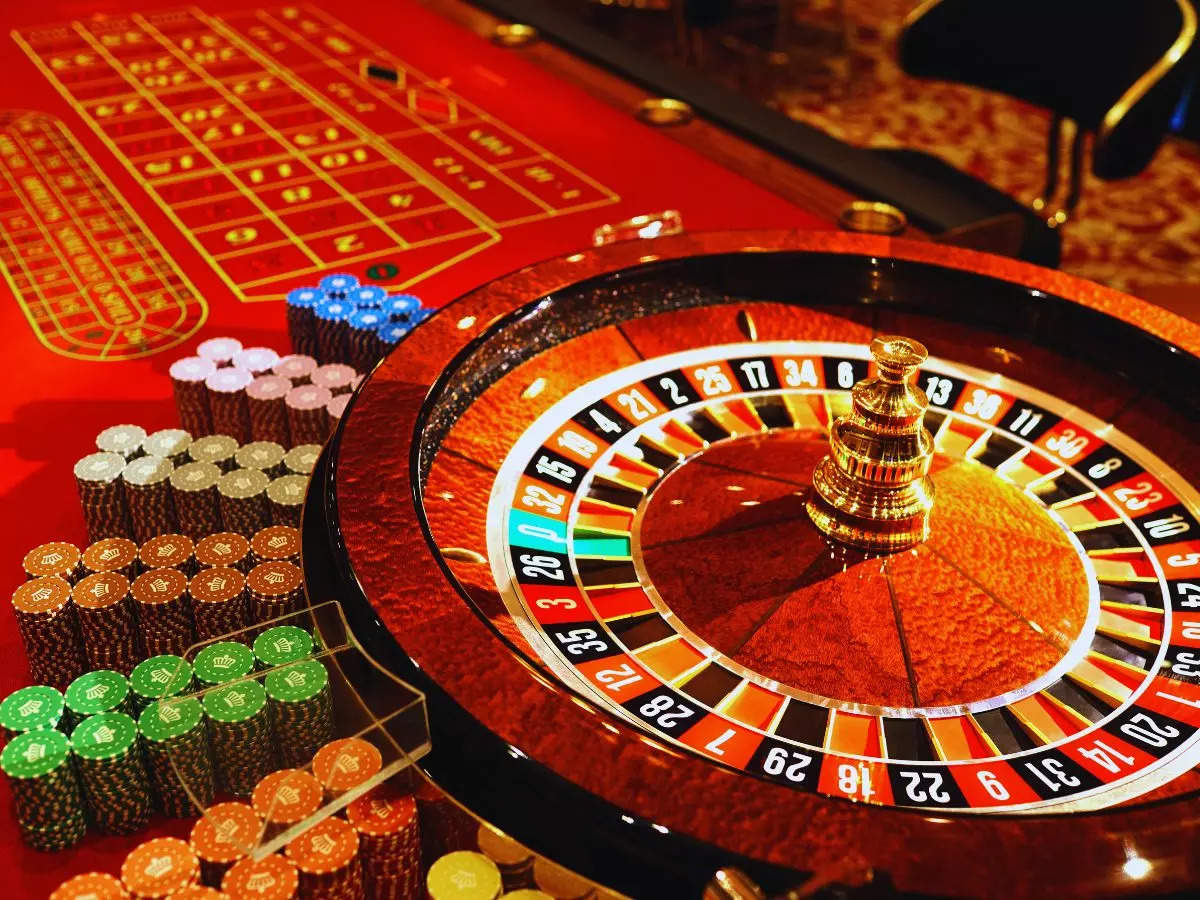
The environment in which gambling occurs significantly shapes individuals’ experiences and behaviors. For example, physical casinos are designed to create an immersive atmosphere that stimulates the senses. Bright lights, engaging sounds, and an overall festive ambiance contribute to a heightened state of arousal, encouraging visitors to gamble more. Research in psychology has demonstrated that environmental cues can trigger emotional responses, suggesting that these design elements are strategically placed to entice players to engage in more gambling.
Likewise, online gambling platforms utilize sophisticated design techniques to maximize user engagement. The use of vibrant colors, interactive games, and instant rewards creates an environment where players feel compelled to continue playing. For instance, many online platforms use notifications to remind users of promotions or encourage them to return based on their previous activity. These elements act as additional motivators, ensuring players remain engaged and invested in their gambling experience.
The psychological implications of these designed environments are profound. Gamblers may find it challenging to navigate their motivations when surrounded by stimuli that reinforce their desire to play. The continuous exposure to enticing environments can lead to desensitization, where players require ever-increasing levels of stimulation to achieve satisfaction. Consequently, both physical and online gambling environments play a pivotal role in shaping not only gambling frequency but also the overall psychological impact on individuals.
Societal Acceptance and Cultural Norms
The societal perception of gambling plays an undeniable role in why people choose to participate. In cultures where gambling is normalized and accepted, individuals are more likely to engage in these activities without stigma. For instance, in some societies, gambling is celebrated as a traditional form of entertainment, often associated with community gatherings and festivities. This cultural acceptance can create a sense of belonging, where individuals feel encouraged to partake in gambling as a social norm.

Conversely, in societies where gambling is frowned upon, individuals may experience guilt or shame around their behaviors. This conflict may lead to secretive gambling, where individuals hide their activities from family and friends. The psychological burden of such secrecy can exacerbate compulsive gambling behavior, as individuals attempt to reconcile their actions with societal expectations. Therefore, cultural norms significantly influence how people engage with gambling and perceive their participation.
Additionally, the portrayal of gambling in media can affect societal attitudes and individual behaviors. Movies, television shows, and advertisements often glamorize gambling, depicting it as a fast-paced and exciting way to achieve wealth and success. Such portrayals can skew public perceptions, leading individuals to underestimate the risks involved in gambling and overestimate their chances of winning. As a result, societal acceptance and cultural framing are integral factors in understanding the motivations behind why people gamble.
The Future of Gambling: New Trends and Considerations
As the landscape of gambling continues to evolve, so too do the motivations driving individuals to engage in these activities. With advancements in technology, online gambling has surged in popularity, creating new avenues for players. The shift toward virtual experiences, including live dealer games and immersive virtual reality platforms, has transformed how people approach gambling, making it more accessible and engaging. These trends raise questions about the psychological implications of gambling in the digital age.
Furthermore, the rise of data analytics and personalized marketing techniques in online gambling has significantly impacted player behavior. Platforms can now analyze user habits and preferences to tailor experiences, creating an environment where players feel uniquely catered to. This personalization can heighten emotional engagement and increase the propensity to gamble more, showcasing the delicate balance between providing a personalized experience and promoting responsible gambling practices.
As the gambling industry adapts to shifting societal norms and technological advancements, discussions surrounding the psychological impacts of gambling must also evolve. Understanding why we play involves delving into the intricate interplay between emotion, environment, culture, and societal acceptance. As we move forward, it is essential to prioritize responsible gambling while appreciating the complex motivations that drive individuals to engage in these experiences.